“In the end, Empty Spain is this: a vial of essences. It may be empty, but it still preserves the aromas of the past because it has been kept tightly sealed.”
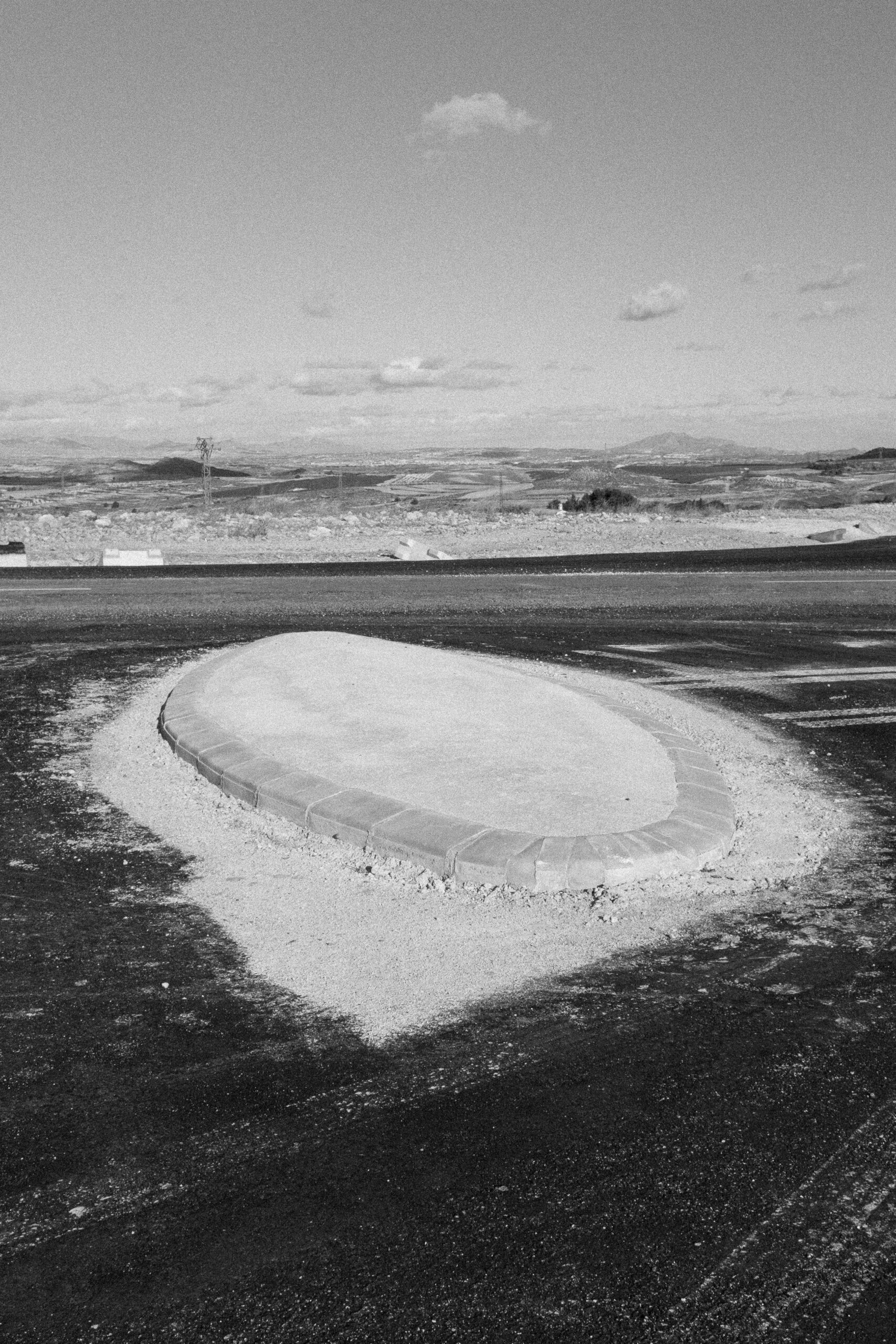
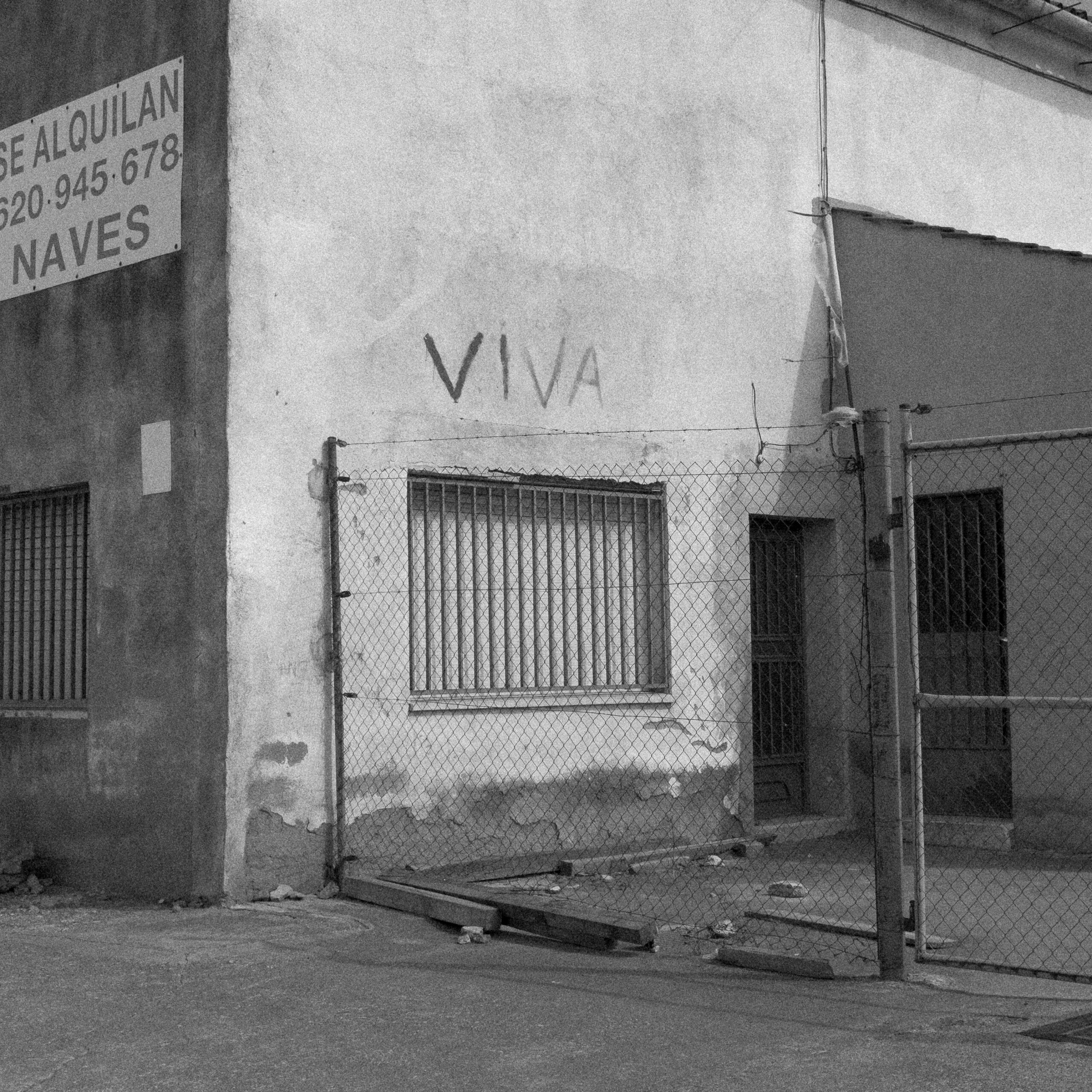
Empty Spain is a term coined by Sergio del Molino in his eponymous 2016 book. Since then, the name has entered everyday vocabulary to describe those areas of the Iberian Peninsula where population density can, in some cases, be compared to that of Lapland. Empty Spain is not merely a demographic territory, but a cultural, philosophical, and unconscious region, deeply rooted in its inhabitants, the fluid outcome of specific historical and artistic processes that have shaped an imaginary whose transformation has only recently begun.
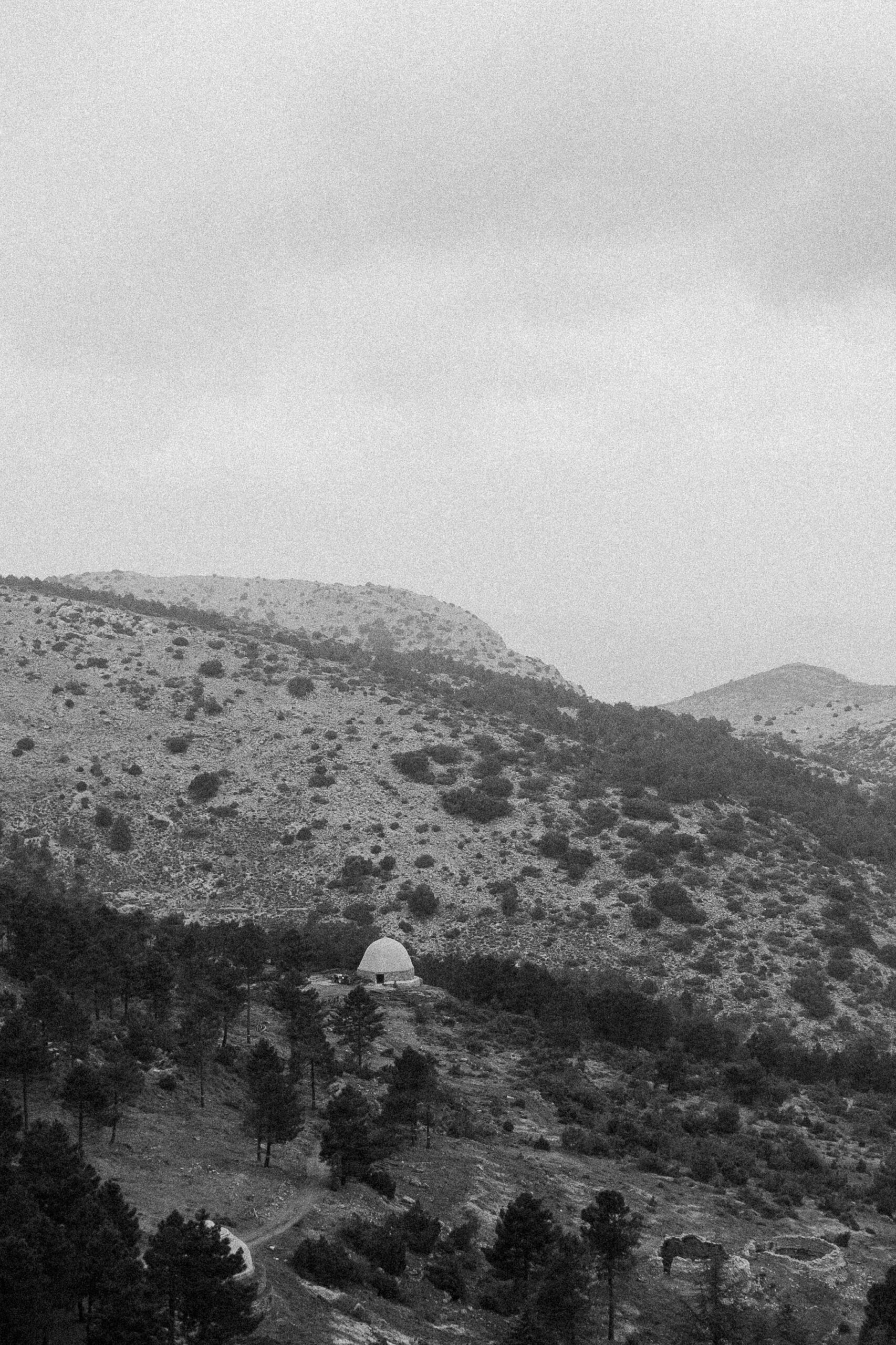
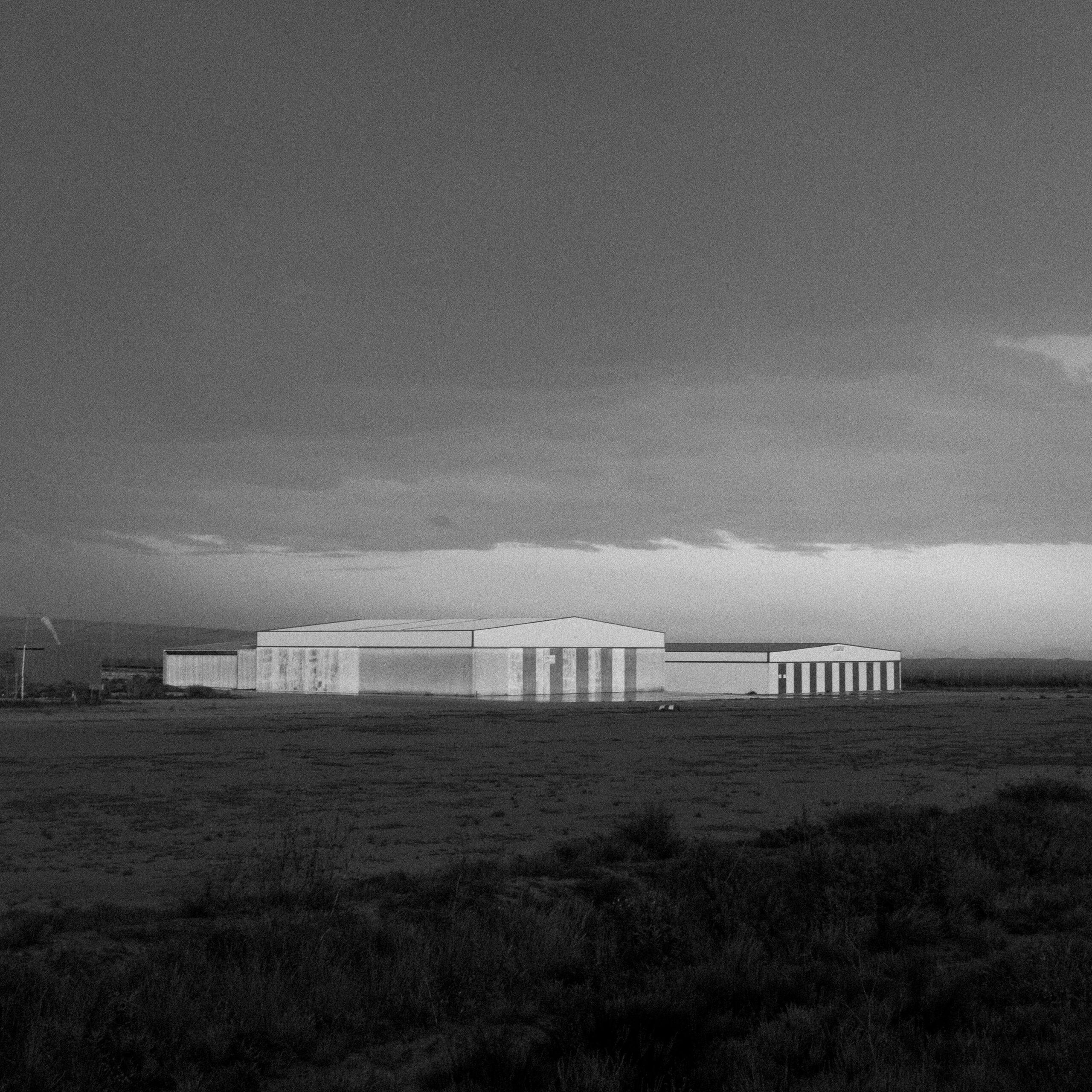
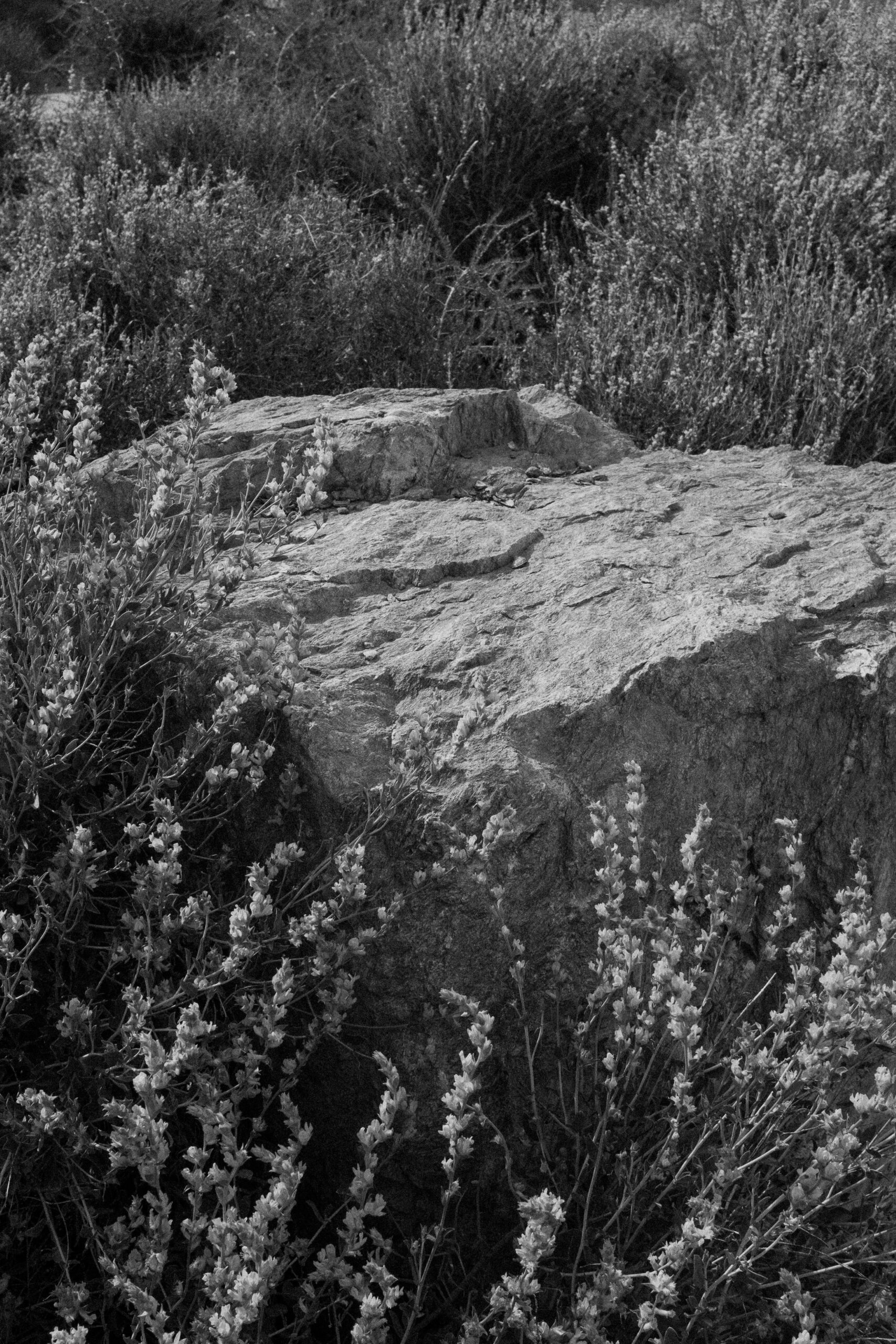
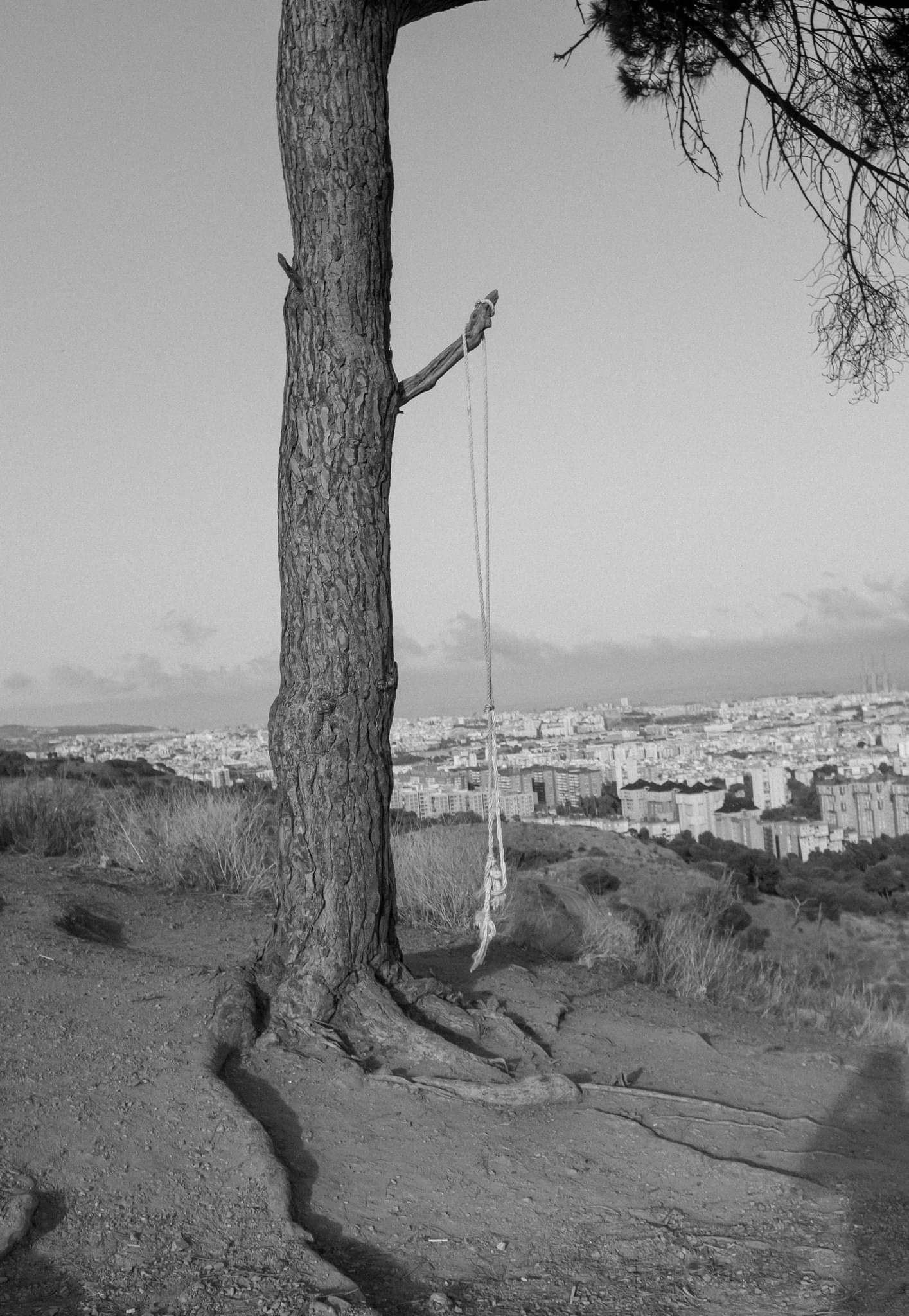
I lived for a long time in this Spain, precisely in the Autonomous Region of Murcia, and it was a formative experience. The area stretching from the regional capital to the sea, nestled between the Subbaetic Mountains and Cartagena, revealed itself to me as an barren arena of Time, one of the many that make up the region, where I saw and felt this concept flutter in the wind and the dust. Crossing these lands during my wanderings was at once a formative process and a significant counterpoint to my personal growth, to the profound solitude I felt during that period. It was a phase of life full of inner earthquakes, and in that landscape which, as Molino states, is an intimate description—since a landscape in itself describes nothing—I found a space I could dialogue with. A space of projection, hopefully a shared one, of an eternal past and a frequency, ever more evident, of a future sense.





Lascia un commento